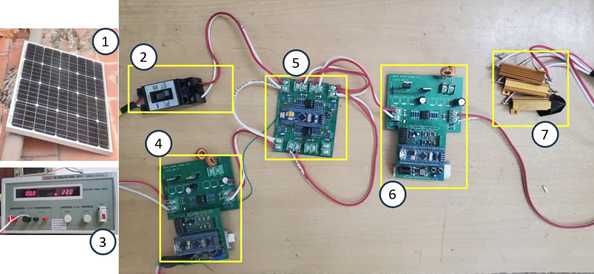

Trong khuôn khổ đề tài nghiên cứu “Xử lý nước thải giàu chất dinh dưỡng bằng phương pháp vi tảo kết hợp màng”, nhóm các nhà khoa học thuộc Viện KHCN Năng lượng và Môi trường do TS. Nguyễn Tuấn Minh đứng đầu đã nghiên cứu thành công công nghệ xử lý nước thải giàu chất dinh dưỡng và xây dựng mô hình hệ thiết bị xử lý nước thải giàu chất dinh dưỡng bằng phương pháp sử dụng vi tảo kết hợp với màng lọc.
Các chất hữu cơ (các hợp chất của cacbon, nitơ và photpho) trong nước thải chăn nuôi là nguồn dinh dưỡng có thể sử dụng cho sự phát triển của vi tảo. Vì vậy, khi loại bỏ các chất ô nhiễm thông qua quá trình tiêu thụ bởi vi tảo sẽ tạo ra sinh khối. Sinh khối vi tảo thu được có hàm lượng cao các hợp chất cao phân tử như chất béo, proteins, carbohydrate có tiềm năng để sản xuất nhiên liệu sinh học, thức ăn chăn nuôi, phân bón cây trồng, phụ gia thực phẩm, các chất có hoạt tính sinh học là nguyên liệu cho ngành công nghiệp mỹ phẩm và dược phẩm. Việc sử dụng nước thải như là nguồn dinh dưỡng cho nuôi trồng vi tảo được đánh giá là một giải pháp bền vững về môi trường để đáp ứng nhu cầu xử lý nước cũng như thu hồi sinh khối.
Vi tảo lục đơn bào Chlorella sp. là một trong những loại vi tảo được áp dụng rộng rãi trên thế giới để xử lý nước thải do tốc độ tăng trưởng nhanh, hàm lượng lipids cao và đã được chứng minh khả năng loại bỏ cacbon, nitơ và photpho. Thêm vào đó, việc ứng dụng công nghệ màng MBR trong mô hình xử lý nước thải bằng vi tảo cho phép điều khiển được lưu lượng của hệ xử lý một cách dễ dàng trong khi vẫn duy trì được hàm lượng sinh khối cao nhờ khả năng tách pha rắn và lỏng, tránh được hiện tượng rửa trôi tảo trong nước đầu ra.
Trong đề tài này, nhóm nghiên cứu tập trung vào việc nâng cao hiệu quả xử lý nhờ kết hợp tảo và màng với đối tượng nước thải có nồng độ ô nhiễm dinh dưỡng cao. Trong hệ thí nghiệm, vi tảo được sinh trưởng, phát triển và tồn tại ở dạng lơ lửng trong bể thí nghiệm sẽ đóng vai trò hấp thụ và chuyển hóa các chất dinh dưỡng có trong nước thải để tổng hợp sinh khối, trong khi đó modul màng sẽ làm nhiệm vụ lọc và tách sinh khối ra khỏi nước thải đồng thời nhằm đảm bảo dễ dàng duy trì nồng độ sinh khối mong muốn.
Nhờ kết hợp xử lý như vậy nên hệ có thể đảm bảo khả năng xử lý triệt để với đối tượng nước thải ô nhiễm cao giàu chất dinh dưỡng. Thêm vào đó, với hiệu quả xử lý được nâng cao công nghệ kết hợp này sẽ làm giảm tiêu thụ năng lượng, diện tích xây dựng, hóa chất và khí thải nhà kính trong lĩnh vực xử lý nước thải nói riêng cũng như trong lĩnh vực bảo vệ môi trường phát triển năng lượng sinh học nói chung.
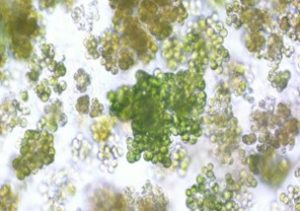
Trên cơ sở nghiên cứu, tìm hiểu về vi tảo và công nghệ màng trong xử lý nước thải, nhóm thực hiện đã nghiên cứu tính toán, thiết kế và chế tạo mô hình hệ thiết bị xử lý nước thải giàu chất dinh dưỡng bằng phương pháp vi tảo kết hợp màng công suất 10-20 l/m2 màng.h đạt tiêu chuẩn QCVN 40:2011/BTNMT đối với chỉ tiêu Nitơ và Photpho.
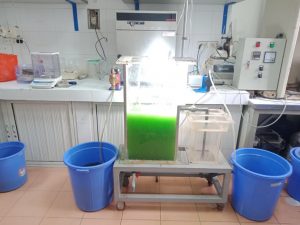
Nhóm nghiên cứu đã xác định được hiệu quả xử lý của hệ mô hình vi tảo kết hợp màng. Với thời gian lưu nước 5 ngày, việc sử dụng vi tảo Chlorella vulgaris kết hợp màng MBR đem lại hiệu quả tương đối lớn với hiệu suất xử lý NH4+, TP và COD lần lượt là 96,06%; 70,20% và 86,29%; các thông số đầu ra này đạt QCVN 40:2011/BTNMT (cột B). Kết quả nghiên cứu cũng chỉ ra được nguyên nhân gây tắc nghẽn màng và điều kiện hoạt động tối ưu để giảm thiểu tắc nghẽn màng với cường độ sục khí 0,05 l/cm2/phút, năng suất lọc 15 l/m2.h. NaOCl được lựa chọn để làm sạch màng bằng cách ngâm màng trong dung dịch NaOCl nồng độ 1000 mg/l trong 2 giờ để phục hồi khả năng làm việc của màng.
So với các phương pháp xử lý sinh học thông thường như bùn hoạt tính thường đòi hỏi kiểm soát nghiêm ngặt để đảm bảo hệ vi sinh vật phát triển và việc phát sinh lượng bùn thải trong hệ xử lý không những gây chi phí mà còn tạo nên các áp lực trong việc xử lý chất thải nguy hại (bùn thải) ở nước ta. Nghiên cứu kết hợp giữa vi tảo và công nghệ màng để xử lý nước thải có thành phần ô nhiễm dinh dưỡng cao đã giải quyết triệt để vấn đề nêu trên. Việc sử dụng vi tảo được đánh giá là một giải pháp phát triển bền vững về môi trường để đáp ứng nhu cầu xử lý nước thải cũng như thu hồi sinh khối. Khi áp dụng vi tảo để xử lý nước thải, hàm lượng sinh khối duy trì trong hệ có quan hệ mật thiết với hiệu quả xử lý và công nghệ màng có thể được sử dụng để giải quyết vấn đề chi phí và áp lực xử lý chất thải nguy hại.
Nhóm nghiên cứu đã công bố 01 bài báo quốc tế trên tạp chí Water về “Removal of Nutrients and COD in Wastewater from Vietnamese Piggery Farm by the Culture of Chlorella vulgaris in a Pilot-Scaled Membrane Photobioreactor” và công bố 01 bài báo trong nước về “Nghiên cứu khả năng xử lý chất dinh dưỡng trong nước thải chăn nuôi sử dụng vi tảo” trên Tạp chí Phân tích hóa, lý và sinh học.
Nguồn tin: Chu Thị Ngân, Trung tâm Thông tin – Tư liệu
Xử lý tin: Minh Tâm
- Công bố, trao Quyết định bổ nhiệm Viện trưởng Viện Khoa học công nghệ Năng lượng và Môi trường
- Lò đốt chất thải rắn y tế VHI-18B
- Phòng Động lực môi trường và Viễn thám biển
- Công khai kết quả tuyển dụng, công nhận kết quả trúng tuyển và hoàn thiện hồ sơ tuyển dụng viên chức kỳ xét tuyển viên chức năm 2025
- Đại hội đại biểu Đảng bộ Viện Hàn lâm Khoa học và Công nghệ Việt Nam lần thứ IX, nhiệm kỳ 2025 – 2030
- Thông báo Kết quả thi tuyển dụng viên chức kỳ kiểm tra, sát hạch tiếp nhận viên chức năm 2024


I don’t think the title of your article matches the content lol. Just kidding, mainly because I had some doubts after reading the article. https://www.binance.com/register?ref=QCGZMHR6
Salutations to all environmental researchers here. Using natural coir pith alongside biological consortium methods to neutralize toxic tannery parameters like lead and mercury shows tremendous promise. Transforming industrial pollutants into basal fertilizer genuinely bridges environmental remediation with sustainable agricultural productivity simultaneously.
Đây là một bài tổng quan được trình bày tốt về xử lý nước thải hữu cơ bằng hệ thống vi sinh và lọc màng. Phương pháp này đặc biệt phù hợp cho các nghiên cứu môi trường vì nó chứng minh cách kết hợp các phương pháp sinh học và kỹ thuật có thể cải thiện hiệu quả xử lý và tính bền vững trong các ứng dụng thực tế.
Kết hợp vi tảo Chlorella với màng lọc MBR để xử lý nước thải chăn nuôi giàu dinh dưỡng là hướng nghiên cứu thực sự thông minh. Thu hồi sinh khối có giá trị cho nhiên liệu sinh học và dược phẩm trong khi xử lý ô nhiễm biến gánh nặng môi trường thành nguồn tài nguyên tái tạo có giá trị kinh tế rõ ràng.
This is an interesting and well-explained study on wastewater treatment using microalgae and membrane filtration. The idea of turning pollutants into useful biomass is impressive and shows a strong sustainable approach for future environmental solutions.
Your article helped me a lot, is there any more related content? Thanks!
This was a fascinating and encouraging example of how innovative environmental technologies can address multiple challenges at once,here i specially appreciated the discussion of combining Chlorella vulgaris with membrane filtration, which not only improves wastewater treatment efficiency but also enables the recovery of valuable biomass.
8gez5thdg
Công nghệ kết hợp vi tảo với màng lọc nghe khá hứa hẹn vì vừa xử lý nước thải vừa tận dụng được sinh khối tạo ra. Mình chỉ hơi thắc mắc là khi áp dụng ở quy mô lớn thì chi phí vận hành và bảo trì màng có còn hiệu quả như trong mô hình nghiên cứu hay ko. Nếu bài viết bổ sung thêm so sánh với các hệ thống xử lý đang dùng thực tế thì sẽ dễ hình dung hơn. Đây là hướng nghiên cứu đáng để theo dõi trong thời gian tới.
Nghiên cứu này khá ấn tượng, đặc biệt là ý tưởng kết hợp vi tảo với công nghệ màng để xử lý nước thải giàu dinh dưỡng. Phần giải thích về khả năng hấp thụ chất ô nhiễm của Chlorella sp. và tạo sinh khối có giá trị cũng rất hay và mang tính ứng dụng cao trong hướng phát triển bền vững. Tuy nhiên, bài viết khá nhiều thuật ngữ kỹ thuật nên hơi khó theo dõi đối với người không chuyên. Nếu có thêm phần tóm tắt đơn giản hơn về hiệu quả thực tế hoặc so sánh với phương pháp truyền thống thì sẽ dễ hiểu hơn. Nhìn chung đây là một nghiên cứu môi trường rất đáng chú ý.
Bài viết giới thiệu một hướng xử lý nước thải rất đáng chú ý khi kết hợp vi tảo và công nghệ màng lọc. Điểm mình thấy ấn tượng là giải pháp này không chỉ làm sạch nguồn nước mà còn có thể tận dụng sinh khối vi tảo cho nhiều mục đích khác nhau như sản xuất nhiên liệu hoặc phân bón. Đây là hướng tiếp cận phù hợp với xu thế phát triển bền vững hiện nay. Hy vọng công nghệ này sẽ được nghiên cứu thêm để có thể ứng dụng rộng rãi hơn trong thực tế.
This is an impressive example of how science can address environmental challenges sustainably. Combining microalgae with membrane filtration not only improves wastewater treatment but also creates valuable biomass for multiple industries. Innovations like this show how cleaner technology can protect natural resources while supporting a more circular and sustainable future.
Microalgae-based wastewater treatment presents an eco-friendly solution that combines purification with biomass production. The ability to generate biofuels, fertilizers, animal feed, and other valuable products makes this technology a promising step toward a circular and sustainable economy.
This research highlights an innovative approach to wastewater treatment by combining microalgae technology with membrane filtration. The successful development of this system demonstrates the potential for sustainable environmental solutions, improving nutrient removal efficiency while contributing to cleaner water management and future green technologies.
This research shows how nature and technology can work together to solve environmental problems. Using microalgae for wastewater treatment is an innovative and sustainable approach because it removes pollutants while creating useful biomass. Such solutions can help protect water resources and support cleaner energy development.
This is an impressive and promising approach to wastewater treatment using microalgae combined with membrane technology. The research demonstrates how sustainable solutions can not only remove pollutants like nitrogen, phosphorus, and organic matter but also recover valuable biomass for applications such as biofuels, agriculture, and biotechnology. It is encouraging to see innovative environmental technologies being developed to reduce waste, lower energy consumption, and support a more sustainable future.
Thật ấn tượng khi thấy công nghệ vi tảo kết hợp màng lọc có thể xử lý nước thải hiệu quả và đồng thời tạo ra sinh khối có giá trị. Bài viết trình bày rõ ràng, dễ hiểu và mang đến một giải pháp đầy tiềm năng cho bảo vệ môi trường cũng như phát triển bền vững.
This research presents an impressive approach to wastewater treatment by combining microalgae and membrane technology. The focus on sustainable solutions, nutrient removal, and biomass recovery highlights the potential for greener environmental practices. It is encouraging to see innovative methods being developed to reduce pollution and support future bioenergy applications.
Combining microalgae and membrane technology is an impressive sustainable approach to wastewater treatment, often innovative wastewater treatment,offers a sustainable solution for removing nitrogen, phosphorus, and organic pollutants while recovering useful biomass for biofuels and agriculture.
The combination of microalgae technology with membrane filtration offers an innovative solution for removing organic pollutants while also creating useful biomass for applications such as biofuels, agriculture, and biotechnology. It is encouraging to see scientific advances that not only protect the environment but also promote resource recovery and sustainable development. The high treatment efficiency achieved with Chlorella species demonstrates great potential for future wastewater management.
This research highlights an innovative and sustainable approach to wastewater treatment. Combining microalgae with membrane technology not only improves pollutant removal but also helps recover valuable biomass. Such eco-friendly solutions can play a major role in reducing environmental impact and supporting future green technologies.
Microalgae cultivation using livestock wastewater offers an innovative approach to pollution control and resource recovery. By transforming organic nutrients into valuable biomass, this sustainable method supports wastewater treatment while creating opportunities for biofuel production, agriculture, food, cosmetics, and pharmaceutical applications.
Hi my name is Alex, wow amazing writing and blog. This article shares valuable information about using microalgae combined with membrane technology for wastewater treatment. It is inspiring to learn how innovative research can create sustainable environmental solutions. Thanks for sharing such an informative and helpful piece of knowledge!
This research presents an impressive and sustainable approach to wastewater treatment by combining microalgae and membrane technology. It is encouraging to see innovative solutions that not only remove pollutants but also create valuable biomass for future applications. Such advancements can play an important role in protecting the environment and supporting cleaner, more efficient resource management.
Nghiên cứu này mở ra hướng xử lý nước thải chăn nuôi bền vững bằng cách kết hợp vi tảo và màng lọc. Công nghệ giúp giảm ô nhiễm, đồng thời tận dụng sinh khối để sản xuất nhiên liệu và phân bón.
This research shows a really interesting approach to wastewater treatment by turning pollutants into useful biomass instead of just removing waste. The combination of Chlorella and membrane technology seems promising, especially with the reported removal rates. I’m curious about how this method performs in real farms compared to laboratory conditions, since factors like weather, maintenance, and operating costs can affect results. More practical field studies would be great to see.
Combining microalgae technology with membrane filtration shows big potential for addressing organic pollution in a more sustainable way,sustainable wastewater treatment solutions like this can play an important role in protecting water resources and supporting a greener future!
A very detailed and informative article! This combination of microalgae and membrane technology will prove to be highly beneficial for the environment. It has been explained very well! I was delighted to read it.Planning a visit is simple with the Uganda eVisa, which allows eligible travelers to complete the application online before departure. Submit the required documents, receive your visa electronically, and enjoy a fast, secure, and convenient travel authorization process.
A very detailed and informative article! i read it all the content clear to understand. It has been explained very well! I was delighted to read it.Planning a visit is simple with the Uganda eVisa, which allows eligible travelers to complete the application online before departure. Submit the required documents, receive your visa electronically, and enjoy a fast, secure, and convenient travel authorization process.
Can you be more specific about the content of your article? After reading it, I still have some doubts. Hope you can help me. https://accounts.binance.bh/register/person?ref=JW3W4Y3A