



Research and Proposed Solutions to Enhance Carbon Stocks in Vegetation Cover across Hai Phong City
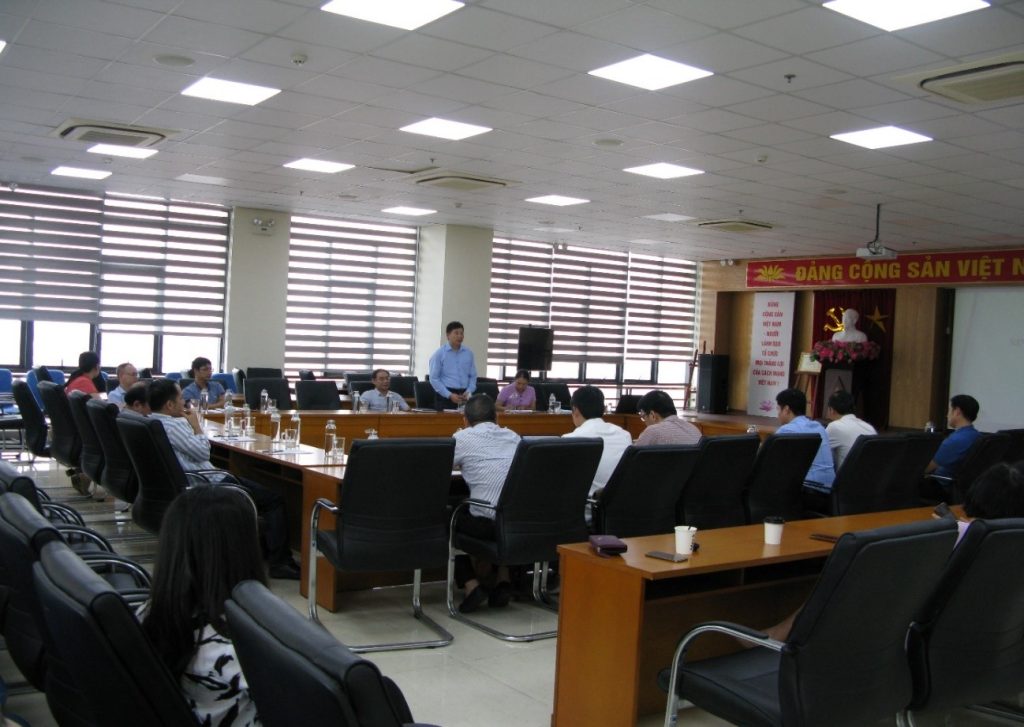
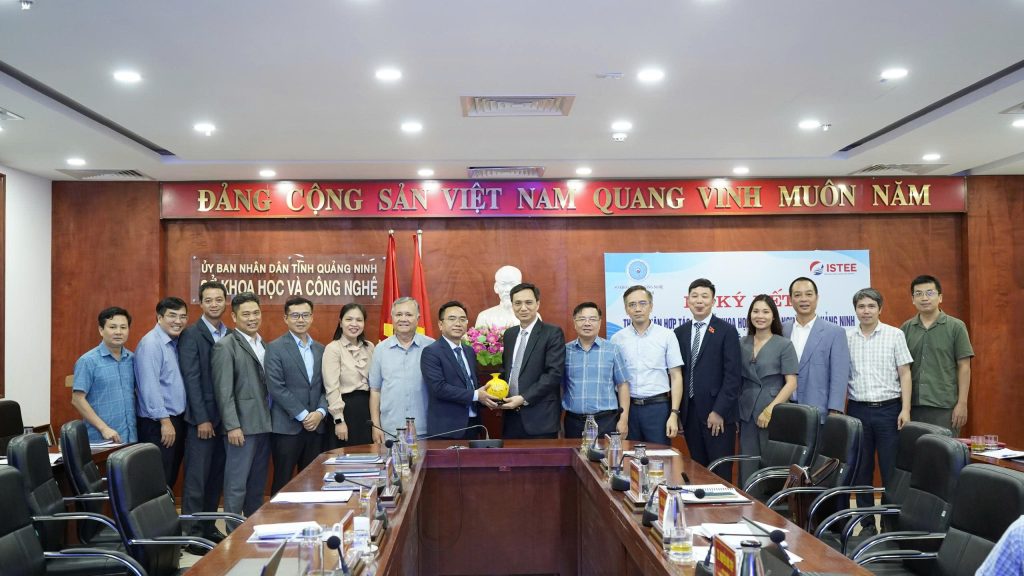
This study, led by Dr. Cao Van Luong from the Institute of Science and Technology for Energy and Environment , was reviewed and evaluated by the Hai Phong Department of Science and Technology at the City-level Scientific and Technological Evaluation Conference held on July 31, 2025.
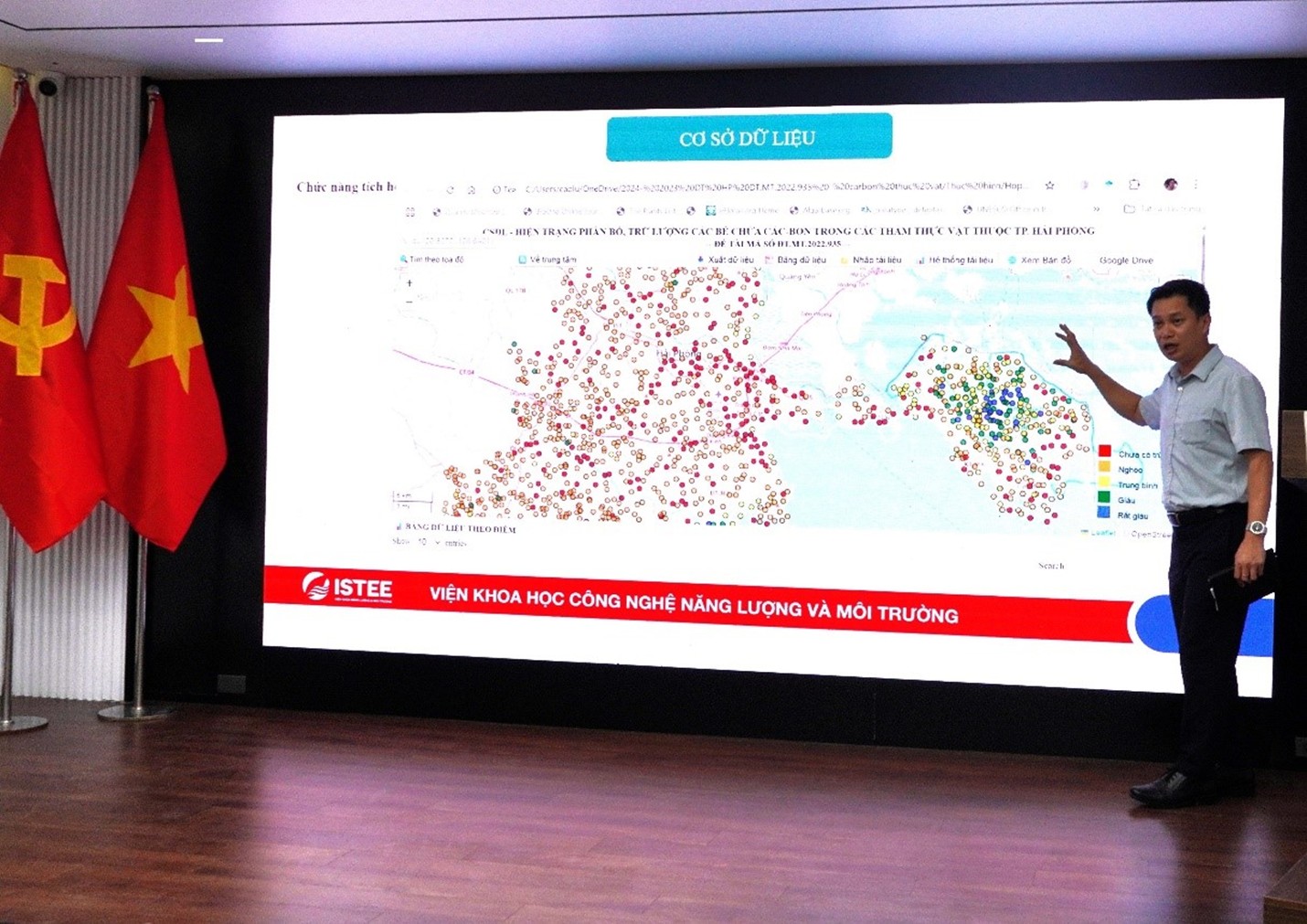 The project management team presented the research findings to the Evaluation and Advisory Council for review and acceptance.
The research team conducted field surveys at 475 locations and analyzed 1,148 satellite imagery points. The findings estimated that the total organic carbon (Corg) stored in biomass and soil/sediment across the city reached 16.16 million tons of carbon, equivalent to 59.3 million tons of CO₂.
Most of this carbon is stored in rice cultivation and agricultural soils (11 million tons C), underscoring the critical role of paddy field systems in organic carbon accumulation.
The natural forests of Cat Ba Island and coastal protection forests store approximately 3.45 million tons of carbon, with woody biomass accounting for the majority. Mangrove and freshwater swamp forests contain about 0.41 million tons, while shrublands/grasslands and seagrass meadows accumulate 0.59 million and 0.034 million tons, respectively. Urban green spaces, parks, and inland water bodies hold the lowest carbon stocks (below 0.005 million tons), yet they provide significant aesthetic and public health benefits.
In addition, the research team developed a digital mapping system and WebGIS database detailing the spatial distribution and carbon stock levels across Hai Phong’s vegetation cover.
These tools provide quantitative and visual information on carbon “hotspots,” supporting evidence-based decision-making in land-use planning, biodiversity conservation, and sustainable development.
The GIS system also enables temporal monitoring of carbon dynamics, early detection of abnormal changes (e.g., deforestation, land degradation), and assists local authorities in implementing climate adaptation and mitigation measures.
The findings highlight that Hai Phong’s vegetation cover plays a pivotal role in the city’s low-carbon development strategy, offering ecological and economic benefits, climate resilience, and contributing toward the net-zero emissions goal.
To maximize this potential, the study recommends a set of integrated solutions, including:
- Protection and restoration of forest ecosystems;
- Enhancement of carbon stocks in agricultural vegetation systems;
- Sustainable development and management of urban green spaces;
- Improvement of local policies and mobilization of resources for implementation.
The evaluation council acknowledged the project’s scientific and practical significance but recommended revisions, including clarifying research scope and target objects, providing more detailed tables and figures, and distinguishing between stable and unstable carbon pools in the carbon stock tables.
After discussion, the council approved the project for acceptance.
- The VHI-18B Medical Solid Waste Incinerator
- New Evidence of Homoploid Hybrid Speciation in Pelagic Marine Fish of the Western Pacific
- 01 – 04 Dec 2025: Southeast Asia Energy Efficiency Policy Training Week 2025
- Graduate Studies in Agricultural & Natural Resource Economics
- A NEW SOLUTION FOR ELECTROPLATING WASTEWATER TREATMENT: HIGH-PERFORMANCE FORWARD OSMOSIS MEMBRANE DEVELOPED FROM HYDROPHILIC MATERIALS